

As climate-fueled disasters continue to escalate across the United States, the cost of insuring a home has reached record-breaking levels. A growing number of homeowners are facing steep increases in their property insurance bills, particularly in states recently battered by wildfires, hurricanes, and floods.
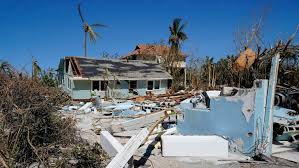
According to the latest Mortgage Monitor Report released by Intercontinental Exchange Inc. (ICE), the average annual insurance premium for a mortgaged single-family home rose to nearly $2,370 in the first half of 2025 — a 4.9% jump from the start of the year. This marks the highest level ever recorded and highlights how environmental volatility is reshaping the economics of homeownership across the country.
Disaster-Affected States See the Sharpest Premium Spikes
Insurance premiums haven’t climbed evenly across the board. The most dramatic increases have occurred in states directly impacted by recent climate-related events.
California, still recovering from massive wildfires that swept through parts of the state in January, experienced one of the largest upticks. In Los Angeles, where entire neighborhoods were reduced to ash, average insurance costs surged 9% in just six months — translating to a nearly 20% rise compared to mid-2024.
Meanwhile, North Carolina and South Carolina also saw significant jumps following flooding caused by Hurricane Helene in late 2024. With more frequent storms hitting the region, insurers have reassessed the risk levels of coastal and inland properties, pushing premiums higher for thousands of policyholders.
Insurers React to Rising Climate Risk by Raising Rates or Pulling Out
The insurance industry is under increasing pressure as climate events become more frequent, severe, and expensive. Many companies are adjusting their strategies — either by raising premiums, tightening policy terms, or exiting high-risk markets entirely.
What was once considered rare — a catastrophic wildfire, a 100-year flood, a Category 4 hurricane — is now occurring with unsettling regularity. As a result, insurers are no longer willing to absorb the same level of risk without compensation. For homeowners, this means higher costs, stricter coverage requirements, and fewer available options.
In some areas, entire zip codes have been flagged as too risky to insure through traditional channels. Homeowners in these regions often turn to state-backed insurance pools, which can be more expensive and offer less coverage.
California Still Below National Average — For Now
Interestingly, despite its wildfire challenges, California remains one of the states with the lowest average home insurance premiums in the country. That’s due in part to state regulations that limit how quickly insurers can raise rates. However, industry experts warn that this affordability may not last if climate events continue to worsen and insurers push for broader rate increases or choose to leave the market altogether.
Hurricane-Prone States Lead the Nation in Insurance Costs
In contrast, homeowners in the South and Midwest, where hurricanes, hailstorms, and tornadoes are more common, are facing the highest insurance costs nationwide.
Florida, in particular, has struggled with an unstable insurance market for years. Many private insurers have pulled out due to mounting losses, forcing residents to rely on Citizens Property Insurance Corporation, the state-run insurer of last resort. But recent legislative changes aimed at revitalizing the private market appear to be shifting that balance.
In Miami, often labeled the most expensive city for property insurance in the U.S., the share of homeowners with state-backed insurance coverage has fallen significantly — from 46% down to 27% in just the past 18 months. While this indicates that private carriers are returning, it also reflects a landscape where homeowners are paying a steep price to remain insured.
An Uncertain Future for Affordable Home Insurance
What’s happening in Florida, California, and the Carolinas may be just the beginning. Across the U.S., insurers are reevaluating how — and where — they offer coverage. Some are shifting the burden to policyholders through higher deductibles, exclusions for certain disasters, or even full policy non-renewals.
As the effects of climate change accelerate, analysts warn that home insurance will become less accessible and more expensive, especially in disaster-prone regions. The situation is raising questions about the long-term affordability and availability of insurance — and about the sustainability of living in high-risk areas without comprehensive federal, state, or private sector reforms.
Without stronger investments in climate resilience, updated zoning laws, and risk mitigation infrastructure, the trajectory is unlikely to change. For now, American homeowners are paying the price — not just for their homes, but for the growing instability of the planet around them.
